
How Has Augmented Reality Affected Advertising and Changed How We View the Meaning of Publicity?
The purpose of this paper is to examine the impact of augmented reality (AR) on the advertising and marketing industry, particularly in relation to how audiences perceive and interpret images. The paper explores the language surrounding publicity and augmented reality, while examining how immersive technologies have altered the relationship between audience, image, participation, and meaning.
The discussion focuses primarily on augmented reality experiences grounded within the real world. The smartphone remains the most accessible and widely used medium for AR due to its integration into everyday life. Through outward-facing and inward-facing cameras, audiences are now able not only to observe visual media, but also to participate within it. Alongside smartphone-based AR, this paper also examines augmented reality through public billboards and interactive installations.
A key focus throughout the essay is the comparison between static imagery and augmented imagery. The paper investigates how meaning changes once an image becomes interactive, animated, or responsive to audience participation. How does augmented reality alter the experience of the viewer? What additional meanings emerge once audiences are invited to physically interact with publicity?
Semiotics will be used as a primary methodology because of its focus on signs, symbols, and meaning-making. However, the discussion also relates to psychoanalysis, reception theory, audience participation, and Maslow’s Hierarchy of Needs (Fig. 1). Additionally, this essay reflects upon how augmented reality has influenced my own creative practice and understanding of visual communication.
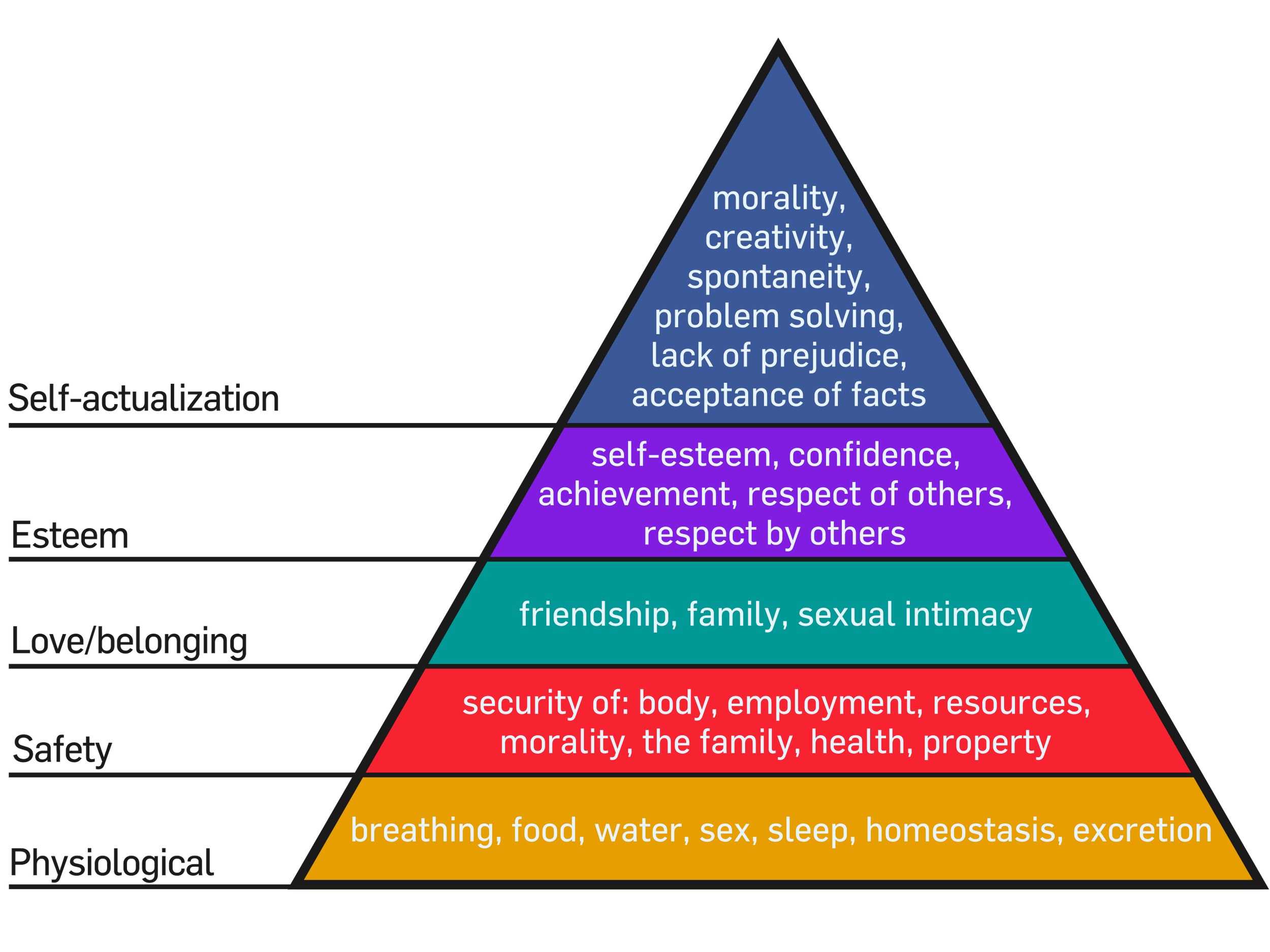
Figure 1: Maslow’s Hierarchy of Needs Pyramid
Introduction
I chose augmented reality and advertising as the focus of this essay because AR remains a relatively recent technology whose creative and commercial possibilities have not yet been fully realised. Although augmented reality has developed rapidly in recent years, many companies still use it superficially or as a novelty rather than as a meaningful communication tool. According to Dataprot, “In 2020, only 1% of retailers used AR or VR to enhance their customers’ shopping experience.” This demonstrates the gap between technological possibility and widespread practical implementation.
Through previous graphic design modules, I have experimented with augmented reality within my own work. Conducting a deeper investigation into the industry therefore allows me not only to examine contemporary advertising, but also to better understand how AR may influence my future practice as a designer. I am particularly interested in how historical theories surrounding spectatorship, visual culture, and publicity continue to apply within immersive digital environments.
Augmented reality changes how image signs communicate meaning to audiences. In traditional advertising, connotations may be implied through colour, composition, symbolism, or typography, but interpretation ultimately remains dependent upon the viewer. AR complicates this relationship because it no longer merely suggests meaning. Instead, it can actively reveal, animate, or extend meaning through interaction. The audience participates in uncovering information, and meaning becomes partially dependent upon engagement itself.
Publicity is defined by Merriam-Webster as “information with news value issued as a means of gaining public attention or support.” Publicity therefore operates through persuasion, visibility, and influence. Advertising is constructed around assumptions regarding audience desires, aspirations, insecurities, and social values. The more effectively publicity aligns itself with dominant ideals and emotional desires, the more powerfully it functions.
John Berger’s Ways of Seeing remains highly relevant when discussing publicity and visual culture. Berger argues:
“Publicity is inherently eventless. It lasts only as long as nothing else occurs.” (Berger, 1972, p.153)
Berger critiques publicity for existing within a perpetual future tense. Advertising continually promises transformation, fulfilment, status, or happiness while simultaneously withholding satisfaction in the present moment. According to Berger, publicity removes genuine lived experience and replaces it with aspiration and possession.
References to Marxism, spectatorship, feminism, and the male gaze are embedded throughout Berger’s analysis. Berger was concerned with the reproduction of images and the viewer’s relationship with them. Through technological development, these reproductions can now be accessed instantly through smartphones and social media. However, augmented reality introduces a significant shift within this relationship. Audiences are no longer simply viewing reproduced images from a distance. They are now able to communicate through them, participate within them, and even reconstruct themselves inside them.
No longer are we entirely eventless.
This development also requires a shift in the role of the advertiser and designer. Where publicity once promoted products from a distance, immersive technologies now require advertisers to consider the audience’s direct participation, emotional response, and physical interaction.
Nearly forty years after Berger’s publication, the cyberartist group Manifest.AR proposed a radically expanded understanding of media and public space. The opening lines of the manifesto state:
“Augmented Reality (AR) creates Coexistent Spatial Realities, in which Anything is possible – Anywhere! The AR Future is without boundaries between the Real and the Virtual. In the AR Future we become the Media. Freeing the Virtual from a Stagnant Screen we transform Data into physical, Real-Time Space.”
This statement is significant because it reframes media not as something externally consumed, but as something inhabited and participated in. Technology is constantly evolving. What once appeared impossible has now become immersive and interactive. Audiences are increasingly aware of advertising systems and are often resistant towards traditional forms of publicity. AR possesses the functionality to offer more than simply a visual dream or aspirational fantasy. Instead, audiences increasingly ask: “What are you going to do for me?”
Manifest.AR’s manifesto therefore becomes important because it suggests a collapse between reality, image, and participation. If Berger argued that publicity removed authentic experience, augmented reality potentially reintroduces experience through immersion and interaction. However, this also raises important questions surrounding surveillance, commodification, and behavioural tracking. The more immersive advertising becomes, the more deeply it can integrate itself into everyday life.
Vilkina and Klimovets describe augmented reality as one of the most promising developments within mobile technology. They define AR as the superimposition of text, graphics, audio, and virtual objects onto the real world in real time. Unlike virtual reality, which replaces physical reality entirely, AR overlays digital information onto existing environments. As a result, augmented reality has significant potential within marketing, retail, and communication because it allows companies to create contextual relationships between products, environments, and consumers.
Burger King: “Burn That Ad”
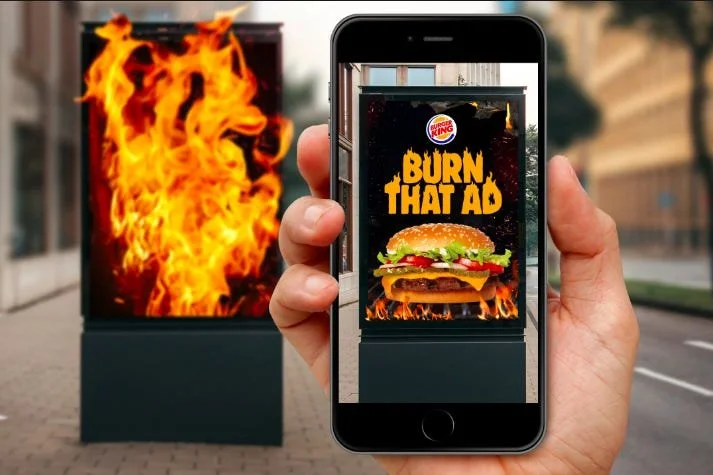
Figure 2: Burger King Augmented Reality Billboard
Figure 2 is a side-by-side comparison image depicting augmented reality in use through a smartphone. On the left, the billboard appears engulfed in flames through AR. On the right, the original static poster is visible before augmentation.
The billboard itself depicts a prepared burger with toppings positioned on a fiery grill. The composition of the layout forms a triangular structure. The Burger King logo is positioned near the centre top of the advertisement directly above the phrase “BURN THAT AD.” Typography occupies almost one-third of the composition, making language itself a dominant visual signifier within the work.
Several connotations emerge from the burger iconography. The burger contains browned meat resembling a grilled beef patty, while melted cheese acts as an index of heat. The black grate and visible flames signify barbecue cooking. The advertisement constructs what may be described as “false truths” for the purpose of publicity. The food appears more desirable because it is associated with a barbecue rather than an ordinary grill. Barbecue imagery carries connotations of charcoal, flavour, family gatherings, speciality cooking, leisure, authenticity, and higher quality.
The syntagmatic choice of typography is equally important. The phrase “BURN THAT AD” is rendered in a yellow-orange typeface associated with flames and heat. The typography appears aggressive and demanding through the use of capital letters. Fire itself carries multiple connotations including danger, rebellion, destruction, power, heat, and invitation.
Within the wider cultural context, fire also operates as a metaphor for anarchy and resistance. There is an intertextual relationship between Burger King’s command to “burn” the advertisement and protest language commonly associated with activism, rebellion, and anti-establishment rhetoric. Phrases such as “take control” or “fight back” are echoed indirectly through the visual language of the campaign. In this instance, the advertiser appears to hand symbolic power back to the audience.
The decision to combine a static billboard with an augmented reality layer fundamentally changes the interpretation of the advertisement. Before activation, the poster functions as a conventional food advertisement. However, once viewed through an AR-enabled smartphone, the billboard erupts into flames. The image becomes performative rather than static.
AR within this campaign aims to satisfy needs beyond the basic psychological desire for food. Berger argues that publicity continually positions fulfilment in the future. The burger itself remains unavailable in the immediate moment. However, the AR interaction satisfies other levels of Maslow’s Hierarchy of Needs.
At the most basic level, the burger signifies hunger and consumption. Yet the AR experience introduces additional psychological rewards. Through the phrase “BURN THAT AD,” the audience is invited to participatephysically and emotionally. The viewer experiences a sensation of agency. Because the billboard exists within real public space, the audience can photograph, record, and share the interaction through social media.
This participation potentially fulfils several levels of Maslow’s Hierarchy. It creates opportunities for love and belonging through sharing experiences online. It may also satisfy esteem needs through feelings of participation, control, or symbolic rebellion. At the level of self-actualisation, the interaction encourages spontaneity, creativity, entertainment, and experimentation.
Augmented reality also allows audiences to enact what Sigmund Freud might describe as unconscious desires.
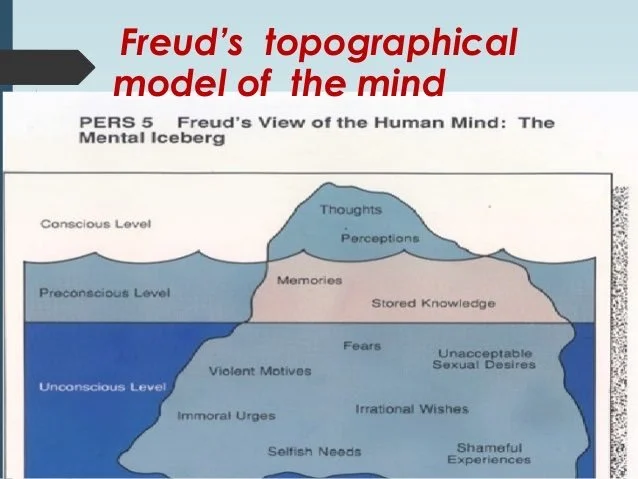
Figure 3: Sigmund Freud Model Diagram of the Levels of Consciousness
The command “BURN THAT AD” directly addresses the viewer. Within everyday reality, burning a billboard would be socially unacceptable and illegal. However, AR creates a controlled simulation where audiences may temporarily fulfil destructive fantasies without real-world consequences. The viewer may experience excitement, exhilaration, or adrenaline through participation.
The more immersive advertisements become, the more effectively they appeal to emotional responses and memory formation. Rather than simply observing an advertisement, audiences now perform within it. The Burger King campaign demonstrates how AR extends publicity beyond representation and into emotional participation.
Pepsi Max and Immersive Public Space
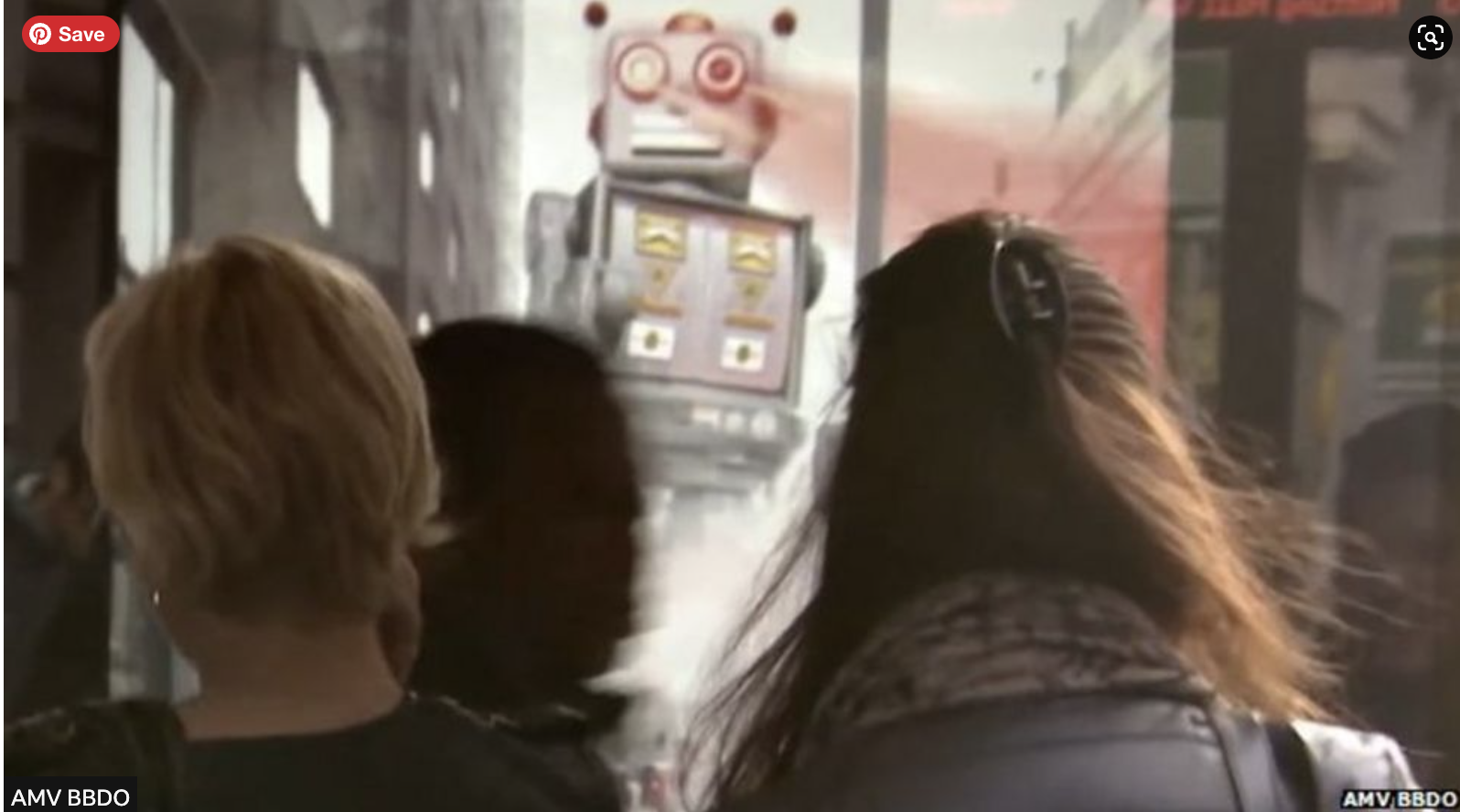
Figure 4: AMV BBDO Pepsi Max AR Billboard – Robot Scene
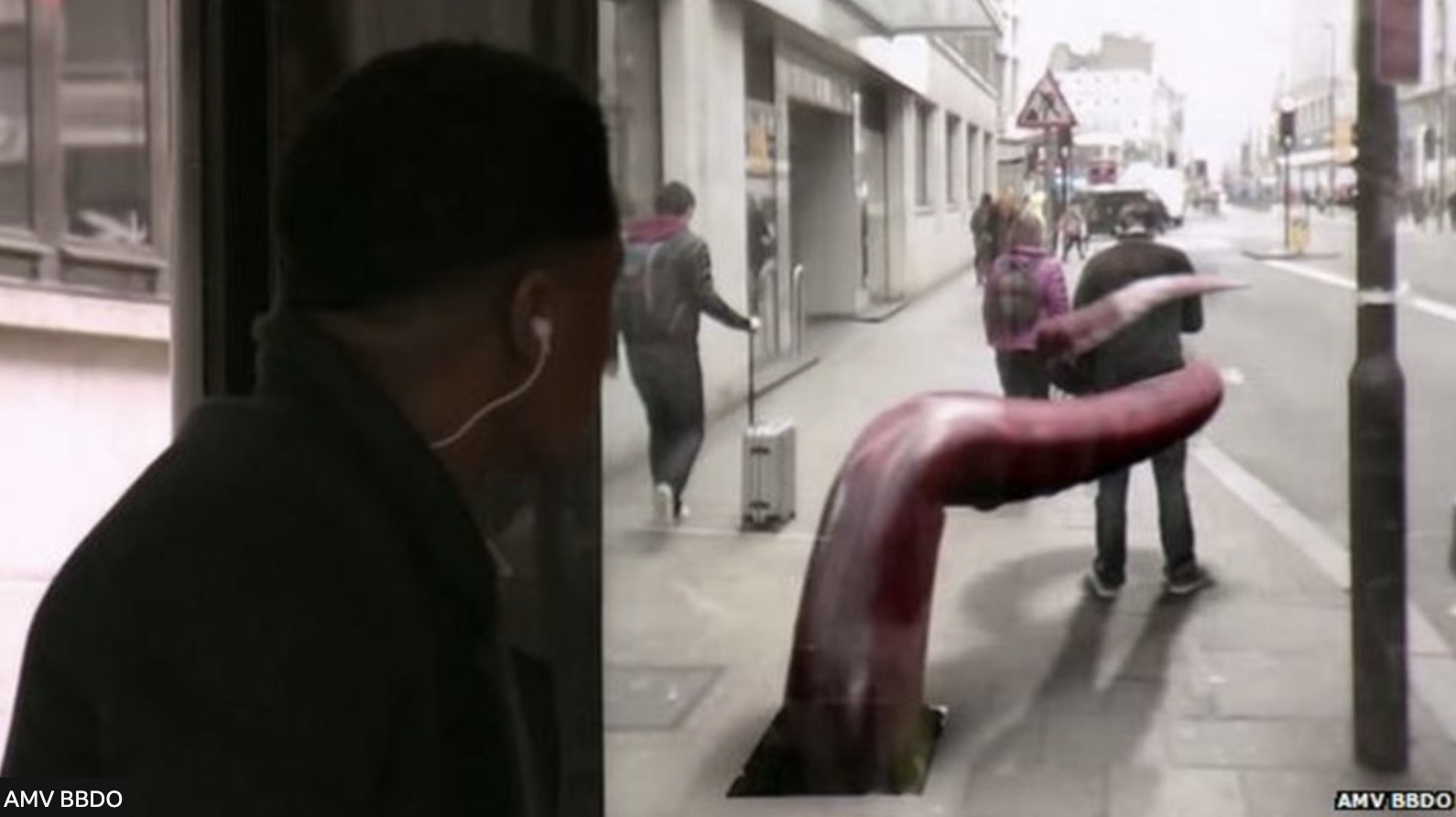
Figure 5: AMV BBDO Pepsi Max AR Billboard – Alien Invasion
AMV BBDO’s chief technology officer, Gregory Roekens, stated that the agency sought to push the boundaries of customer experience after being tasked with creating an “unbelievable” public experience for Pepsi Max. Roekens argued that augmented reality opened new creative possibilities by transforming ordinary public environments into immersive spectacles.
In comparison to the Burger King example, which relies upon smartphone interaction, the Pepsi Max campaign transforms the billboard itself into the audience’s field of view. The scale of the installation creates a significantly more immersive experience. Instead of viewers looking through their phones, the bus shelter screen itself becomes the interface between reality and augmentation.
The alien invasion sequence depicted in Figure 5 shows giant squid-like tentacles emerging from manholes in the street. Through the transparent screen, audiences can see the real London environment behind the AR layer, including moving buses, pedestrians, and traffic. The augmentation therefore appears integrated into reality itself rather than separated from it.
The juxtaposition between everyday urban life and impossible digital events intensifies the realism of the experience. The campaign uses motion, proximity, timing, and environmental perspective to create the illusion that the invasion is occurring within the viewer’s immediate surroundings. Shadows and environmental lighting further reinforce the sense of physical presence.
Unlike traditional advertising, the Pepsi Max logo itself remains relatively small and visually secondary within the composition. There are no obvious direct connotations linking Pepsi Max to alien invasions or giant robotic attacks. However, when examined through the context of the campaign brief, the relationship becomes clearer. The objective was not product explanation but experiential extremity: an experience taken to the “MAX.”
Marita Sturken and Lisa Cartwright argue that psychoanalytic theory addresses the pleasure audiences derive from images and the relationship between desire and visual culture. They state that images possess power because they allow audiences both to experience pleasure and to articulate unconscious desires through looking.
Within the Pepsi Max campaign, the augmented scenarios operate through intertextuality. Audiences interpret meaning through references to science fiction films, alien invasion narratives, childhood cartoons, media spectacle, and historical broadcasts such as Orson Welles’ 1938 War of the Worlds radio adaptation. That broadcast became infamous because some listeners believed the fictional alien invasion was real. Similarly, the Pepsi Max campaign intentionally blurs the boundary between spectacle and reality through immersive illusion.
With subjects such as aliens and extraterrestrial threats, audiences rely heavily upon intertextual memory to construct meaning. Viewers connect the experience to previous encounters with science fiction media, museums, films, comics, television, and cultural mythology surrounding alien invasion.
Like the Burger King campaign, Pepsi Max also attempts to satisfy needs beyond basic product consumption. The advertisement is not primarily focused on drinking a soft drink. Instead, it focuses on emotional experience.
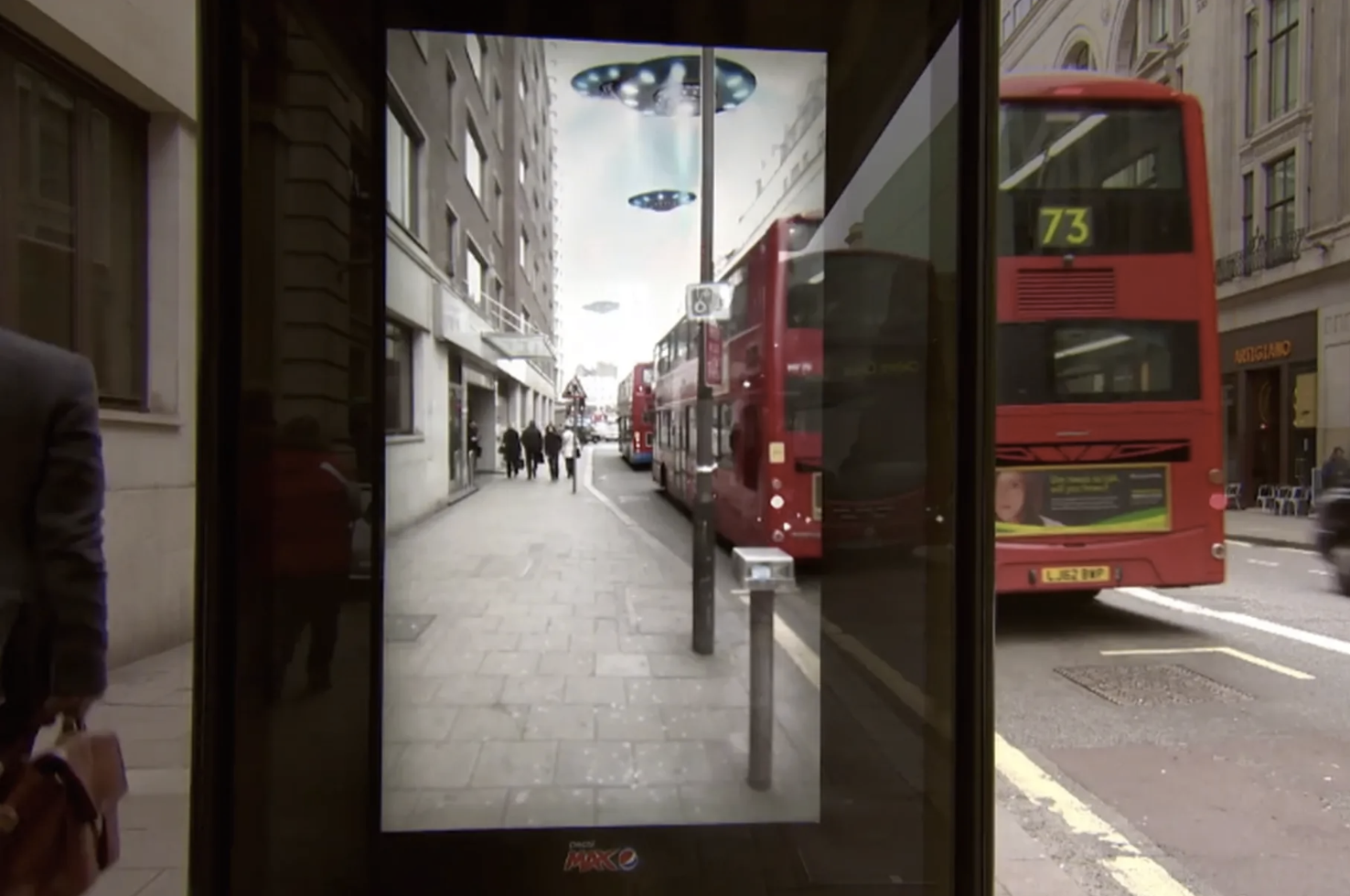
Figure 6: Pepsi Max AR Billboard Campaign – UFO Scene
The campaign may fulfil several levels of Maslow’s Hierarchy. Love and belonging are reinforced through shared participation with friends, family, or strangers in public space. Esteem needs may be addressed through becoming the subject or witness of the AR event. Self-actualisation emerges through spontaneity, creativity, excitement, and reflection on danger, mortality, and spectacle.
One significant difference between the Burger King and Pepsi Max campaigns is the nature of the screen itself. The Pepsi Max installation is transparent and activated through movement and proximity. Without augmentation, audiences simply observe the ordinary London street behind the glass. Once triggered, however, the environment transforms into a site of impossible events.
Oxford Street was deliberately chosen because of its density, movement, and visibility. The installation constantly responds to its surroundings, making the advertisement appear alive and reactive. Publicity therefore evolves from static communication into dynamic environmental performance.
Ambarish Mitra, founder of the AR platform Blippar, argues that augmented reality applications also provide vast quantities of behavioural data for marketers. He states:
“Traditionally most marketing was ‘spray and pray’ – no-one could tell exactly how much traction an advertising campaign had. But with Blippar you can see exactly how consumers are interacting with a campaign.”
This statement highlights another major transformation within advertising. AR does not merely create immersive experiences; it also allows companies to monitor participation, interaction time, behaviour, and engagement patterns. As advertising becomes increasingly interactive, it simultaneously becomes increasingly measurable.
This raises important ethical questions surrounding surveillance, behavioural tracking, and data extraction. The audience no longer simply consumes publicity. Their participation itself becomes valuable information.
My Own Practice
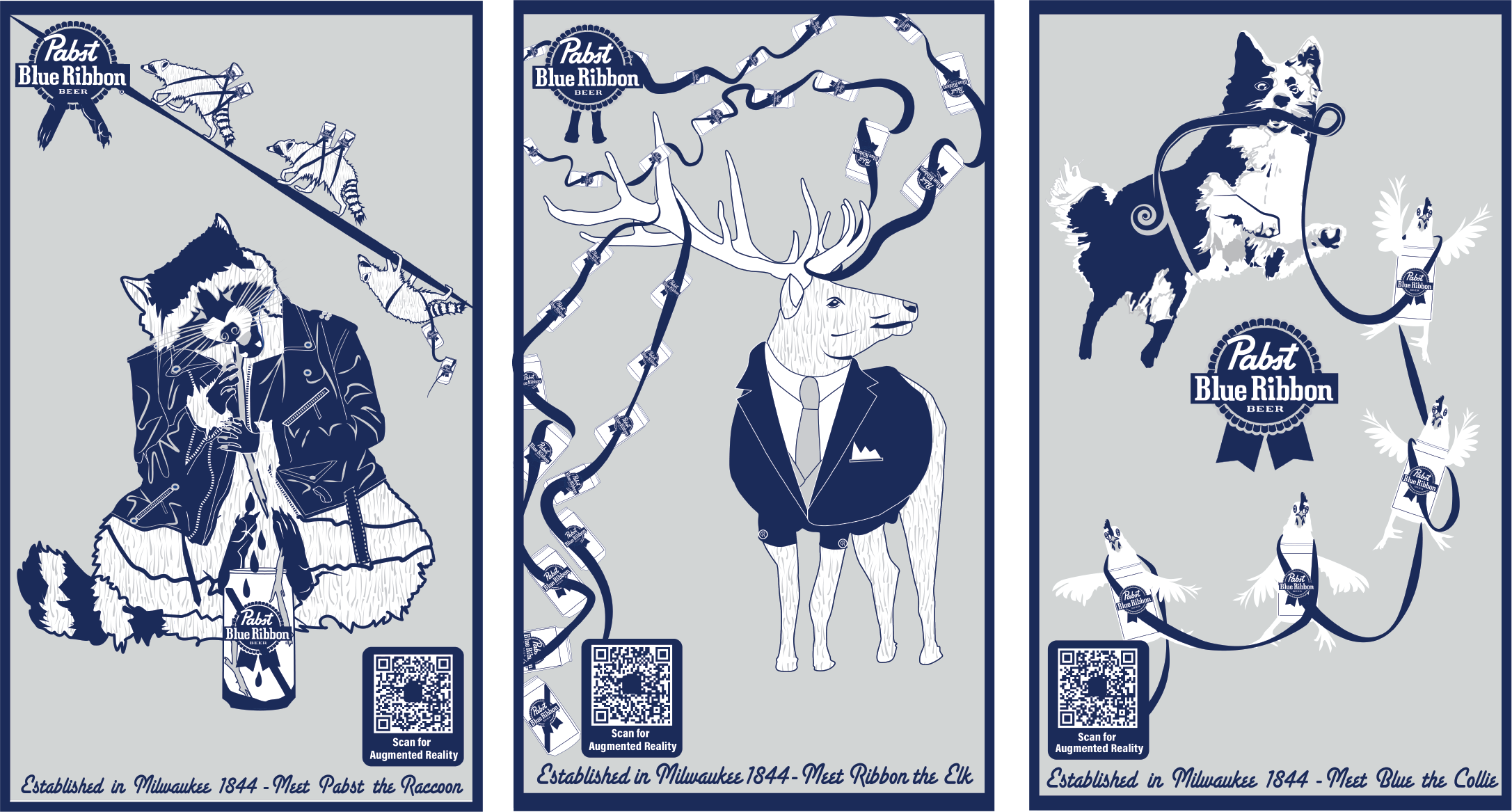
Figure 7: Marie-Jane Mannion, Personal Practice. Pabst Blue Ribbon Artcan Artworks, 2021
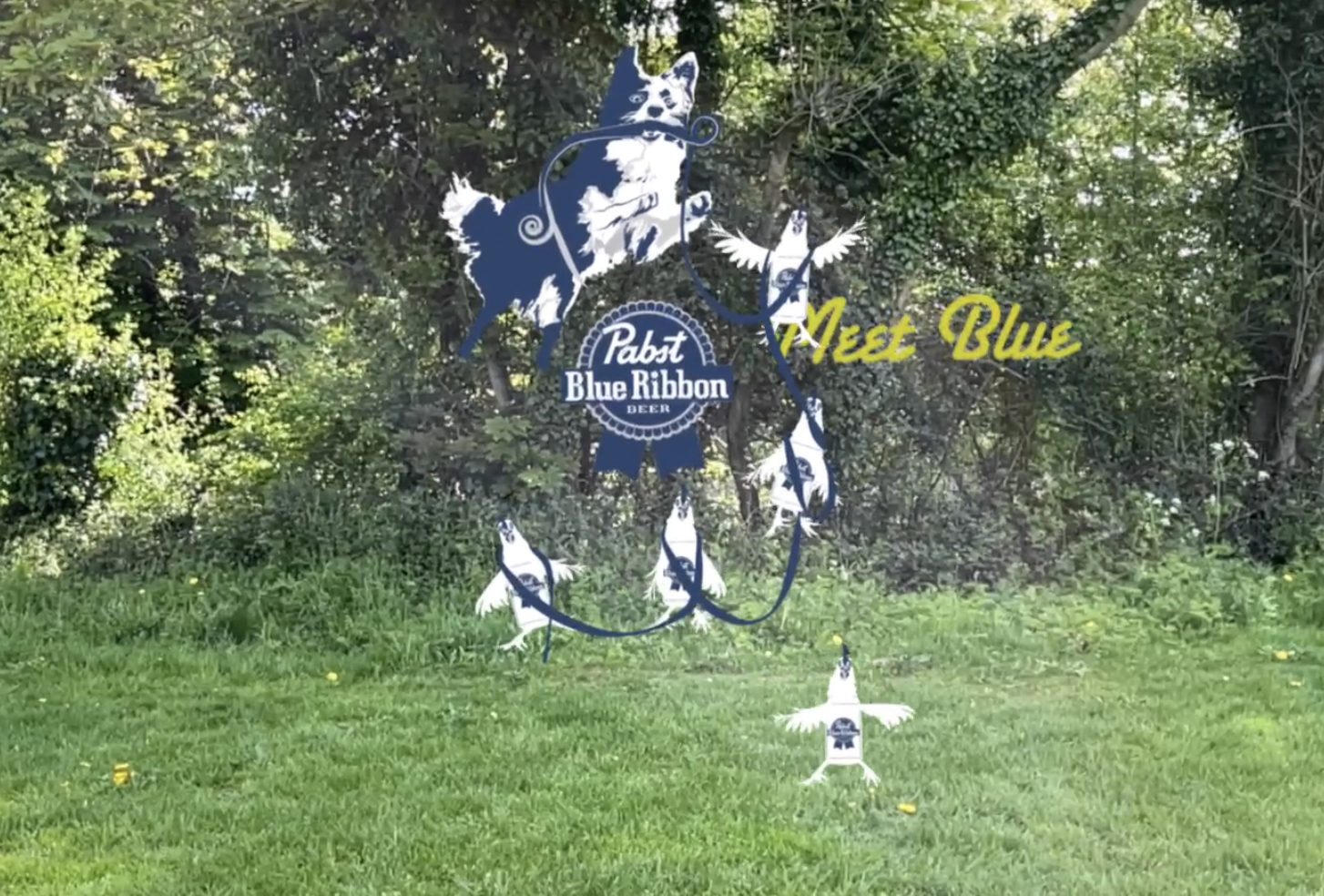
Figure 8: Marie-Jane Mannion, Blue the Collie AR in situ
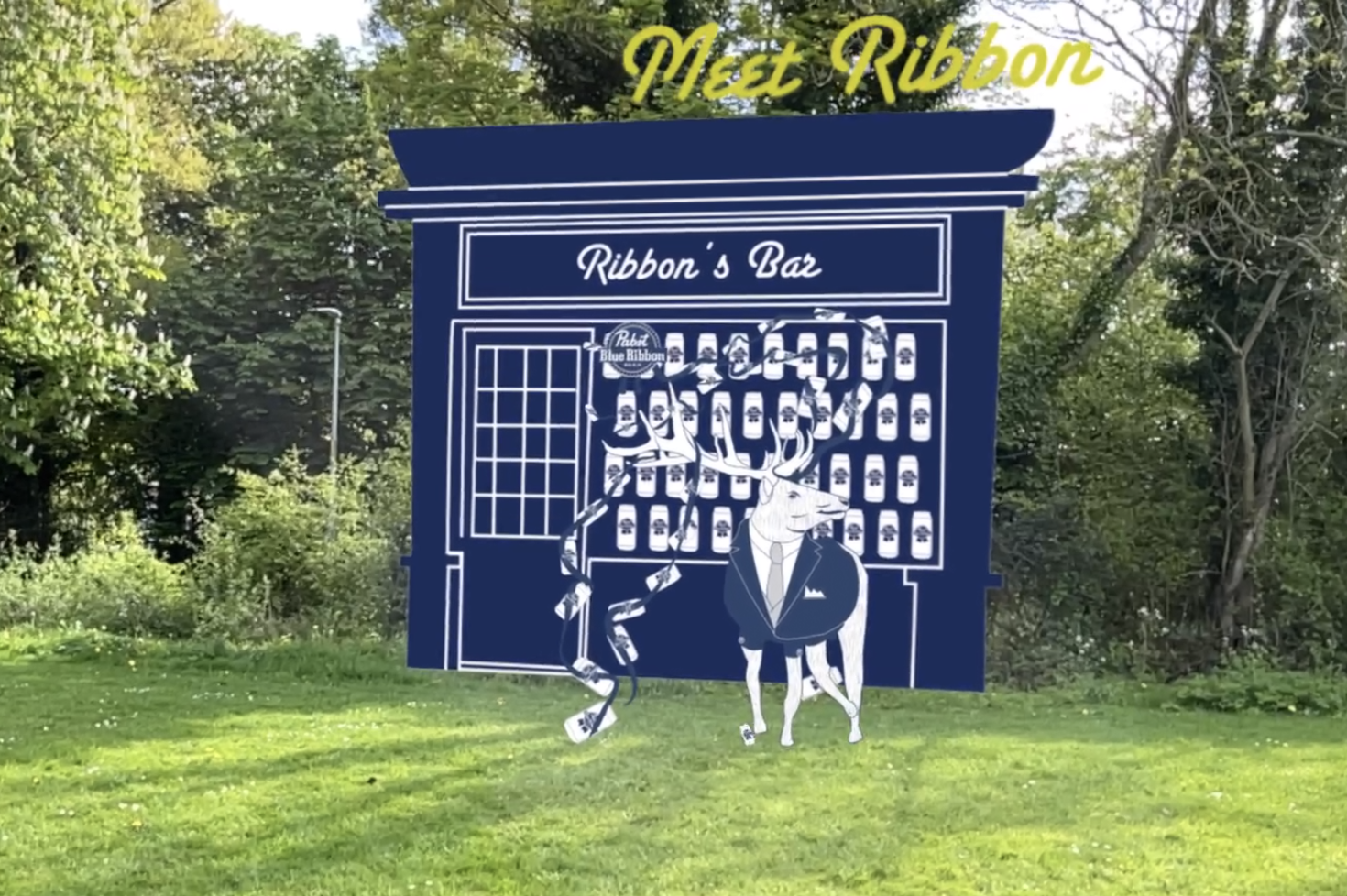
Figure 9: Marie-Jane Mannion, Ribbon the Elk AR in situ
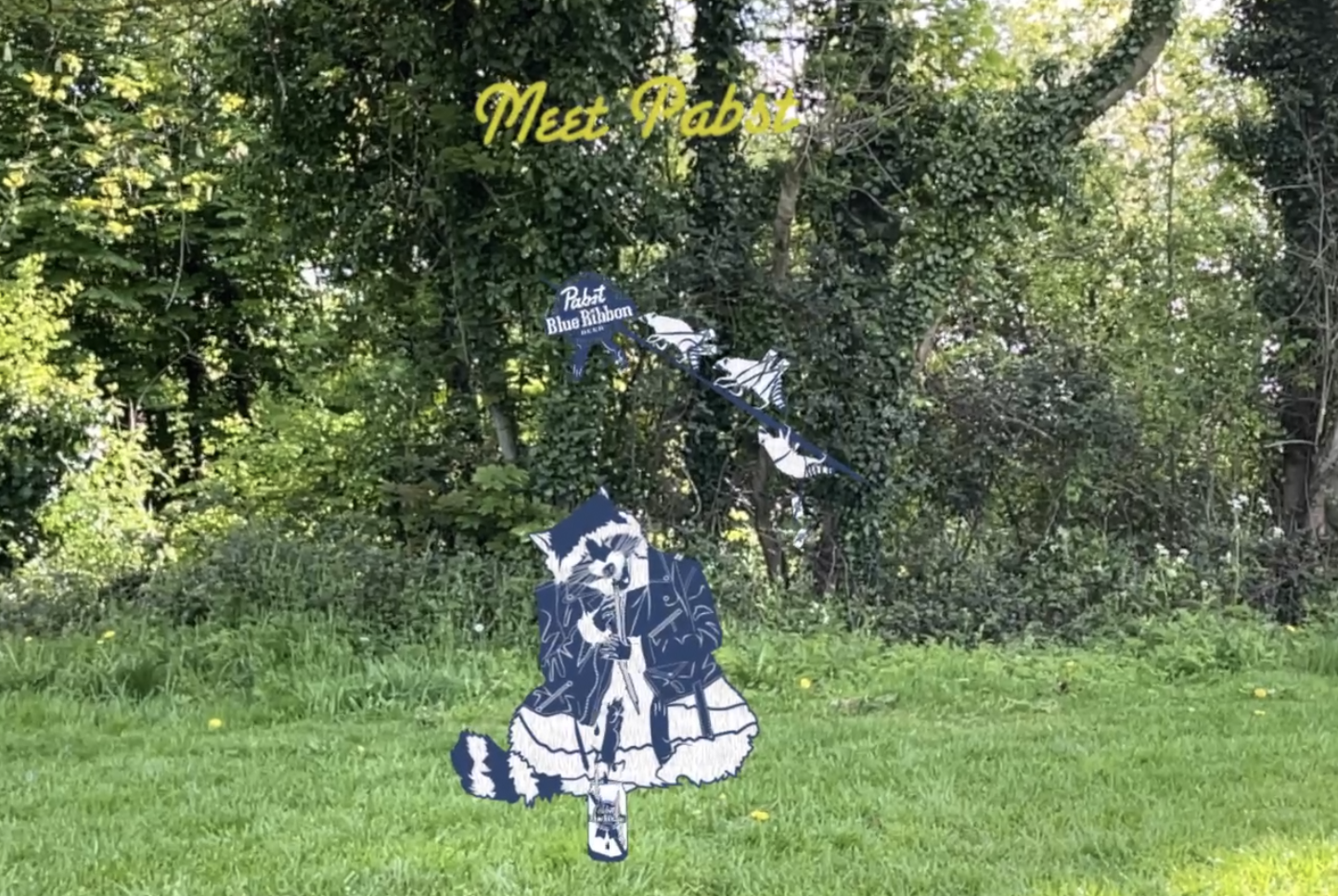
Figure 10: Marie-Jane Mannion, Pabst the Raccoon AR in situ
The inspiration for this essay originated through both reading Berger’s Ways of Seeing and experimenting with augmented reality within my own creative practice. Through developing AR works myself, I became increasingly interested in how audiences interact with immersive visual media and how participation changes the communication of meaning.
During the research process, I expanded my investigation into the origins of augmented reality and questioned when my own first encounters with AR occurred. I became interested in the emotional and psychological impact of interactive media. Why do audiences feel compelled to share AR experiences? How does participation alter spectatorship? What role does belonging play within immersive communication?
The work of Manifest.AR became particularly significant within this research because it positioned augmented reality not simply as technology, but as a transformation in spatial and visual culture occurring within my own lifetime. The manifesto challenged traditional distinctions between reality, media, and participation.
Researching AR also expanded my understanding of psychoanalysis and spectatorship within visual communication. Much of visual culture theory focuses on static images, yet AR complicates these theories because audiences become participants rather than distant observers. Interaction itself becomes part of the meaning-making process.
Another area of interest involved social sharing and communication. AR experiences are rarely isolated events. Audiences often photograph, record, and distribute their experiences through social media platforms. In this sense, the audience not only experiences the work, but also becomes part of its circulation and publicity.
This reflects Maslow’s Hierarchy of Needs in significant ways. Audiences may share experiences to fulfil needs relating to belonging, esteem, recognition, creativity, or identity formation. The experience itself becomes communicative currency.
I found the research process extremely rewarding because it expanded my understanding of how emerging technologies may influence the future of design, advertising, and visual communication. It also reinforced the idea that augmented reality remains an area with significant creative potential that has not yet been fully explored. While this essay focuses primarily on AR within art and advertising, augmented reality possessesapplications across education, retail, healthcare, architecture, entertainment, and social communication.
As immersive technologies continue to evolve, designers will increasingly shape not only visual media, but also how audiences experience reality itself.
Conclusion
This essay explored how augmented reality has affected advertising and changed the meaning of publicity. Through analysing both smartphone-based and environmental AR campaigns, the discussion demonstrated how immersive technologies transform audiences from passive spectators into active participants.
The essay examined how augmented reality alters the relationship between image, meaning, participation, and emotional experience. Semiotics, psychoanalysis, reception theory, and Maslow’s Hierarchy of Needs were used to analyse how AR campaigns communicate through symbolism, immersion, desire, and behavioural engagement.
John Berger’s theories surrounding publicity remain highly relevant when examining contemporary visual culture. However, AR introduces a significant shift within publicity because audiences are no longer entirely “eventless.” Participation itself becomes part of the advertisement.
The Burger King and Pepsi Max campaigns demonstrate how augmented reality expands publicity beyond traditional persuasion into interactive spectacle. Rather than simply presenting products, these campaigns create emotional and immersive experiences that encourage participation, sharing, memory formation, and behavioural response.
At the same time, AR also raises important ethical questions surrounding surveillance, data collection, emotional manipulation, and the increasing integration of advertising into everyday reality. As augmented reality technologies continue to develop, advertisers and designers will hold increasing influence over how audiences experience public space, desire, and communication.
Ultimately, augmented reality does not simply change advertising techniques. It changes the relationship between image, audience, participation, and reality itself.
Bibliography
Bailey, J. (2019) Artists Hijack MoMA with AR Art Exhibition. Artnome.
Barnes, M. (2000) A Theory of Human Motivation. York University.
Barnet, S. (2008) A Short Guide to Writing About Art. 9th ed. Pearson Prentice Hall.
Berger, J. (1972) Ways of Seeing. London: Penguin Books.
Cveticanin, N. (2022) Augmented Reality Statistics. Dataprot.
D’Alleva, A. and Cothren, M.W. (2012) Methods and Theories of Art History. London: Laurence King Publishing.
Galaria, F. (2020) Augmented Reality: The Real Game Changer for Marketing in 2020. Blippar.
Geroimenko, V. (2018) Augmented Reality Art. 2nd ed. Sydney: Springer.
Kastrenakes, J. (2014) Pepsi’s Bus Stop Ad in London Might Be the Best Use of Augmented Reality Yet. The Verge.
Manifest.AR (2011) Manifest.AR Artist Manifesto.
Mitra, A. (2014) Augmented Reality Gives Physical World a Virtual Dimension. BBC News.
Rogers, S. (2019) AR Advertising: A Gimmick or a New Advertising Frontier? Forbes.
Sturken, M. and Cartwright, L. (2001) Practices of Looking. New York: Oxford University Press.
Thomas, D. (2014) Augmented Reality Gives Physical World a Virtual Dimension. BBC News.
Veenhof, S. and Skwarek, M. (2010) MoMA NYC Augmented Reality Exhibition.
Vilkina, M.V. and Klimovets, O.V. (2020) Augmented Reality Technologies and Marketing Communication.
Webb, D. (2010) Orson Welles – War of the Worlds Radio Broadcast 1938.
Wood, P. et al. (1999) Art in Theory. Malden, MA: Wiley-Blackwell.